
About
About me
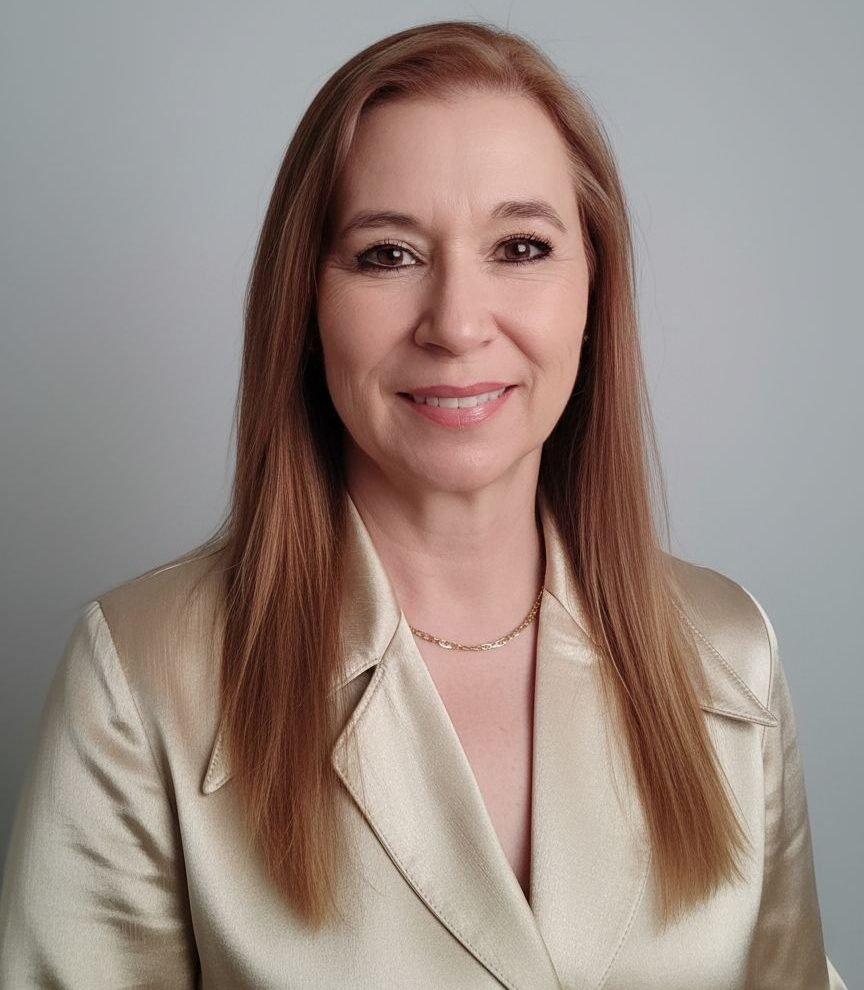
I am a researcher and intervention specialist committed to addressing intimate partner violence (IPV), more commonly known as gender-based violence (GBV). My work is rooted in personal experience and extensive academic research. I developed the ARC Programme, a Christian-based intervention for perpetrators of IPV, which I refined during my postdoctoral fellowship at the University of Pretoria. I have received recognition for my contributions through publications on IPV and intervention strategies, including awards from the National Institute for the Humanities and Social Sciences (NIHSS) and the Criminological Society of Africa (CRIMSA). Currently, I am working on piloting an online open group intervention for partner abuse. I am an advocate for male victims and acknowledge the prevalence of bidirectional abuse, which is often linked to what is termed as situational violence. Moreover, I support a multidisciplinary and multiagency collaboration, in conjunction with a family, community and church response towards the eradication of violence against women and girls—and men and boys.
I believe that unresolved trauma is one of the most damaging threats to public health in communities worldwide. We have all heard the old cliché that hurt people hurt others. There is no blueprint for a perfect childhood, and many worry that they will never be able to change or overcome emotional wounds that may still cause challenges in their day-to-day interactions and intimate relationships. The deleterious effects of childhood adversity and trauma are well-established and associated with IPV perpetration and victimisation. Even though the relationship between childhood trauma and later difficulties is not an inevitable one, later on in life, there may be other stresses of life and traumatic experiences, such as natural disasters, the loss of a loved one, accidents, divorce, dealing with a terminal illness or being a victim of crime, which is on steroids in South Africa.
The ARC Programme is evidence-based, theory-driven, and trauma-focused. As I mentioned, I recognise the impact of unresolved trauma and offer the following services to help individuals lead a more fulfilling life if they feel hindered by a particular event or situation.
I believe that unresolved trauma is one of the most damaging threats to public health in communities worldwide. We have all heard the old cliché that hurt people hurt others. There is no blueprint for a perfect childhood, and many worry that they will never be able to change or overcome emotional wounds that may still cause challenges in their day-to-day interactions and intimate relationships. The deleterious effects of childhood adversity and trauma are well-established and associated with IPV perpetration and victimisation. Even though the relationship between childhood trauma and later difficulties is not an inevitable one, later on in life, there may be other stresses of life and traumatic experiences, such as natural disasters, the loss of a loved one, accidents, divorce, dealing with a terminal illness or being a victim of crime, which is on steroids in South Africa.
The ARC Programme is evidence-based, theory-driven, and trauma-focused. As I mentioned, I recognise the impact of unresolved trauma and offer the following services to help individuals lead a more fulfilling life if they feel hindered by a particular event or situation.
Services
1. Pastoral Counselling
Pastoral counselling is a form of counselling that integrates psychological understanding with spiritual care. The focus is on supporting clients emotionally and spiritually while drawing on biblical principles, prayer, and faith-informed wisdom. Pastoral counselling addresses concerns such as stress, grief, relationship difficulties, spiritual struggles, and personal growth. While it is not a substitute for professional psychotherapy, it can complement mental health services. My approach is person-centred, and I strive to create a safe and supportive space where clients can explore their challenges and develop their own insights. Early life experiences often have a significant impact on our emotional and spiritual development, and although childhood events can be formative, our adult experiences also continue to shape us. Through compassionate guidance, I help clients develop a deeper, more positive understanding of their past and present experiences, enabling them to move forward with clarity, resilience, and hope.
2. Trauma Incident Reduction (TIR)
TIR is a structured, person-centred technique taught within Applied Metapsychology and used internationally to support swift trauma recovery and healing. It has proven to be effective in alleviating symptoms commonly linked to Post-Traumatic Stress Disorder (PTSD), as well as other lingering effects of trauma. A formal diagnosis is not required to benefit from this method. Individuals affected by loss, accidents, injuries, or other painful life events may experience significant relief, improved emotional regulation, a greater sense of calm, and renewed meaning and hope. Through guided and repeated recall of a traumatic incident within a safe and carefully held space, TIR helps diminish the emotional distress and intrusive effects associated with trauma.
3. Unblocking
Unblocking refers to a counselling process that helps individuals overcome emotional, mental, or behavioural barriers that keep them stuck. These “blocks” may manifest as recurring patterns, avoidance, inability to move forward, or feeling emotionally numb or overwhelmed. Unblocking techniques help clients identify the root of the blockage, explore the underlying experiences or beliefs, and release emotional tension. The goal is to restore clarity, emotional flow, and personal resilience so the person can engage more fully in their healing process.
4. Group Debriefing
Group debriefing is a guided group process used after a stressful, critical, or traumatic event. It allows participants to talk about what happened, how they experienced it, and how it affected them emotionally and physically. The purpose is to provide emotional support, foster mutual understanding, and reduce feelings of isolation. Group debriefing helps individuals normalise their reactions, learn coping skills, and identify when further support may be needed. It is not therapy but a structured, supportive space to process shared experiences.
Understanding trauma
What is trauma?
The word trauma comes from a Greek term meaning “wound.” Traumatic experiences are described as “wounding” because they overwhelm our usual capacity to cope and often involve a threat to life, safety, stability, or one’s sense of identity. Trauma is a universal phenomenon. Even those who have had largely happy childhoods will, by adulthood, have encountered trauma in one form or another – whether through the loss of a loved one, involvement in a serious motor vehicle accident, exposure to violent crime such as rape or carjacking, or contending with a life-threatening illness.
Trauma wounds the heart and mind in ways that are often invisible, unlike a physical injury such as a gunshot wound, and impacts every part of our being and how we relate to others. What often becomes visible are the effects, such as difficulties in relationships, harmful coping patterns, health problems, or emotional and behavioural struggles. Trauma shapes how we live, how we love, how we understand the world, how we see ourselves, and how we connect with others. It can distort our perception of reality and make us defensive and reactive, often triggering survival responses such as fight, flight, freeze, or fawn. In this manner, trauma can disconnect us from our true selves and others, impacting our God-given potential to lead a vital life. Healthy human connection is essential because we are wired for connection and created to be loved and to love.
Trauma has become a common experience for many South Africans. It is not the trauma itself, but unresolved trauma, that often leads to problems. While physical wounds are usually visible and treated, many people carry hidden psychological wounds and the emotional aftermath of trauma for many years. When left unaddressed, trauma can contribute to ongoing distress, maladaptive coping, and difficulties in daily functioning. Repeated or complex trauma, such as childhood abuse or witnessing intimate partner violence / GBV, can have lifelong and far-reaching effects.
Holding onto unprocessed pain and hurtful memories can lead us to react with aggression, depression, anxiety, fear, pain, and shame. The idea that time heals all wounds is a misconception. Many believe that simply forgetting their pain, or ignoring how they feel, or what has happened, will make it disappear. This is far from the truth. If time truly healed, prisoners would be model citizens.
As human beings – created with body, mind, and spirit – it is natural to respond to pain. Trauma is a deeply personal and subjective experience – what overwhelms one person may have little effect on another. Two individuals may encounter similar circumstances and yet experience very different emotional and psychological outcomes. People also express trauma in different ways. Some may respond with anger or emotional outbursts, others may withdraw or minimise what happened, while some may feel emotionally numb for a long time before feelings surface again. Common responses to trauma may also include difficulty sleeping, irritability, aggression, depression, anxiety, stress, withdrawal, intrusive memories, confusion or people-pleasing. These are normal responses to overwhelming experiences.
Healing is a process. Having the opportunity to tell one’s story – within a safe and compassionate counselling alliance – can help individuals make sense of what happened, gradually restore a sense of safety, and rediscover meaning and hope, leading to wholeness and recovery. If trauma continues to cause significant distress, professional mental health care may be needed, and I can assist with referrals where necessary.
Trauma wounds the heart and mind in ways that are often invisible, unlike a physical injury such as a gunshot wound, and impacts every part of our being and how we relate to others. What often becomes visible are the effects, such as difficulties in relationships, harmful coping patterns, health problems, or emotional and behavioural struggles. Trauma shapes how we live, how we love, how we understand the world, how we see ourselves, and how we connect with others. It can distort our perception of reality and make us defensive and reactive, often triggering survival responses such as fight, flight, freeze, or fawn. In this manner, trauma can disconnect us from our true selves and others, impacting our God-given potential to lead a vital life. Healthy human connection is essential because we are wired for connection and created to be loved and to love.
Trauma has become a common experience for many South Africans. It is not the trauma itself, but unresolved trauma, that often leads to problems. While physical wounds are usually visible and treated, many people carry hidden psychological wounds and the emotional aftermath of trauma for many years. When left unaddressed, trauma can contribute to ongoing distress, maladaptive coping, and difficulties in daily functioning. Repeated or complex trauma, such as childhood abuse or witnessing intimate partner violence / GBV, can have lifelong and far-reaching effects.
Holding onto unprocessed pain and hurtful memories can lead us to react with aggression, depression, anxiety, fear, pain, and shame. The idea that time heals all wounds is a misconception. Many believe that simply forgetting their pain, or ignoring how they feel, or what has happened, will make it disappear. This is far from the truth. If time truly healed, prisoners would be model citizens.
As human beings – created with body, mind, and spirit – it is natural to respond to pain. Trauma is a deeply personal and subjective experience – what overwhelms one person may have little effect on another. Two individuals may encounter similar circumstances and yet experience very different emotional and psychological outcomes. People also express trauma in different ways. Some may respond with anger or emotional outbursts, others may withdraw or minimise what happened, while some may feel emotionally numb for a long time before feelings surface again. Common responses to trauma may also include difficulty sleeping, irritability, aggression, depression, anxiety, stress, withdrawal, intrusive memories, confusion or people-pleasing. These are normal responses to overwhelming experiences.
Healing is a process. Having the opportunity to tell one’s story – within a safe and compassionate counselling alliance – can help individuals make sense of what happened, gradually restore a sense of safety, and rediscover meaning and hope, leading to wholeness and recovery. If trauma continues to cause significant distress, professional mental health care may be needed, and I can assist with referrals where necessary.